
Author: vancouverfootcare

  • Is Your Shoe Size Stuck in High School? The Surprising Truth About Canadian Feet

    Have you ever finished a long day on your feet, kicked off your shoes, and sighed with immense relief? We all have. But did you know that persistent foot fatigue, achiness, or specific issues like bunions and calluses might not just be from a long day—they might be because you’re wearing the wrong shoe size?
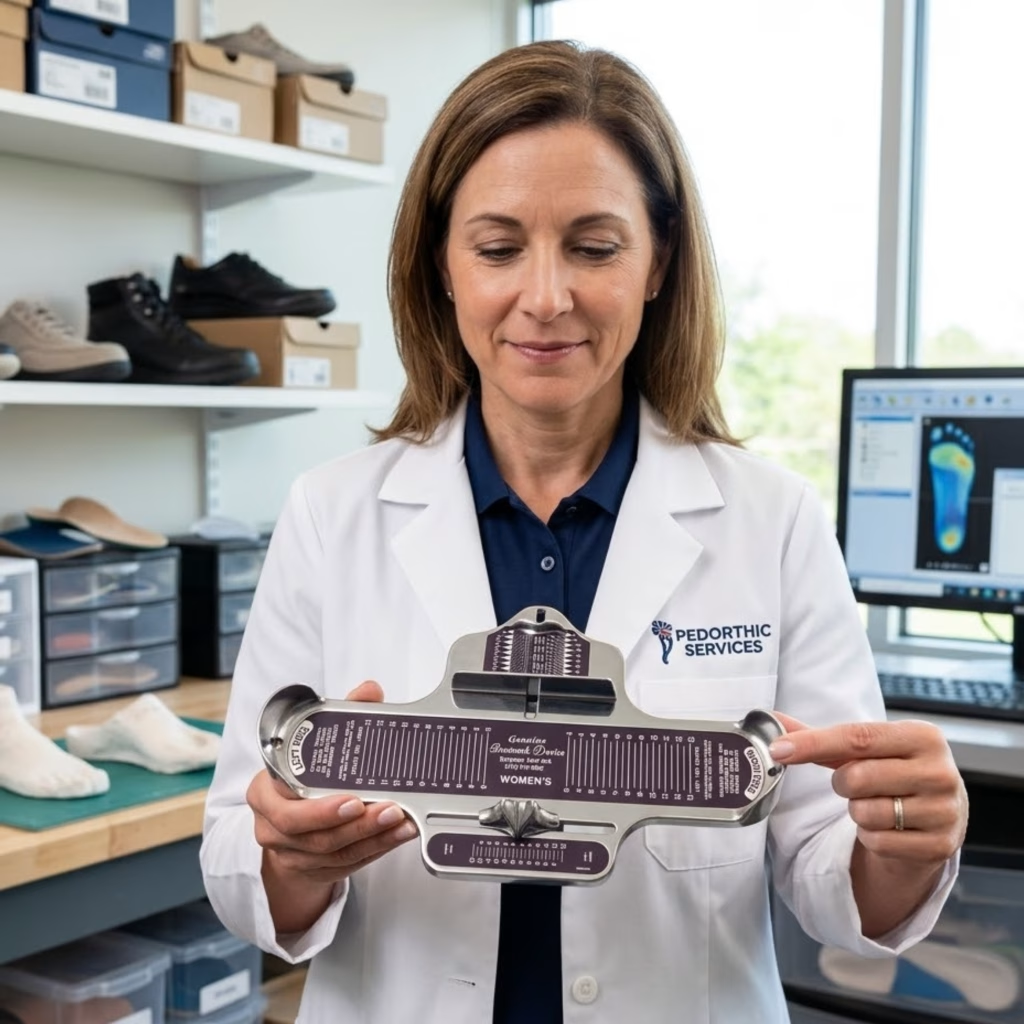
    It turns out, you’re likely in the majority.

    While we often think our shoe size is a fixed number established in our teens, research shows that North American foot habits tell a different story. In fact, there is a quiet “epidemic” of improperly fitted footwear, and it might be impacting your comfort and foot health more than you realize.

    Here is the surprising data on how many of us are missing the mark when it comes to the perfect fit.

    The Shocking Stats on Foot Fit

    When was the last time you truly had your feet measured? If you’re like most people, it’s been a while. According to research, a staggering 63% to 72% of people are wearing shoes that do not match the actual length or width of their feet.

    Too Small is the Top Issue: This is incredibly common. One major study revealed that 88% of women were wearing shoes smaller than their feet actually needed.

    Too Large for Length, Too Small for Width: Men frequently encounter the opposite problem, with many wearing shoes that are too large (up to 69% in some samples), often trying to compensate for a shoe that feels too narrow.

    The Real Culprit: Width: Most people only look at the number on the box (the length), but the vast majority of fit issues are actually about the width. If you’re constantly struggling with shoes feeling tight on the sides, you likely need a different width, not a different size number.

    The Problem with “Sticking to Your Size”

    Many of us assume that once we hit adulthood, our feet stop growing. While that’s technically true regarding bone structure, feet absolutely change throughout our lives.

    The “Decade” Gap: Podiatry experts estimate that most adults haven’t had their feet professionally measured in over 10 years.

    Your Feet Change Over Time: Things like age, weight fluctuations, and pregnancy cause your feet to naturally spread, flatten, and sometimes even lengthen. In fact, data suggests the average foot size has actually increased by two full sizes since the 1970s.

    If you are still buying the same size you wore in your twenties, it’s highly probable that your feet have changed, and your shoes haven’t kept up.

    Left vs. Right: You Are Not Symmetrical
    Another common mistake is assuming both your feet are identical.

    The 60% Club: Roughly 60% of adults have one foot that is significantly longer or wider than the other.

    The Asymmetry Myth: We naturally lean toward buying shoes based on the size of just one foot (often the one we perceive as smaller). However, about 80% of people have a larger left foot, which often acts as our “stabilizer.”

    The Size Difference: The difference isn’t minor. For 60% of people with a mismatch, the difference is more than half a shoe size. Wearing the same size on both feet means one foot is almost guaranteed to be uncomfortable.

    Why a Proper Fitting Matters

    Improperly fitted shoes are more than just uncomfortable; they are a leading cause of foot health problems. The Ontario Society of Chiropodists notes that 75% of Canadians will experience foot problems, many directly linked to footwear that doesn’t fit correctly. This can lead to issues like bunions, hammertoes, corns, calluses, and chronic arch or heel pain.

    Come In and Find Your Real Fit

    The bottom line is: you deserve comfortable feet. Don’t guess your size based on what you wore years ago.

    At Foot Solutions, their Certified Pedorthists offer professional shoe fitting services. Their experts will measure both of your feet for length, width, and arch length to help you find the absolute perfect size and style for your unique feet.

    Don’t let ill-fitting shoes slow you down. Visit Foot Solutions in-store today or Book Your Free Fitting Appointment! Your feet will thank you.
  • Put Your Best Foot Forward: The Ultimate At-Home Foot Care Guide

    We often spend all day on our feet, yet they are frequently the most neglected part of our self-care routine. Proper at-home foot care isn’t just about aesthetics; it’s about preventing pain, infection, and mobility issues. By following a consistent protocol and using the right tools, you can keep your feet healthy and comfortable.


    The At-Home Foot Care Protocol

    A solid routine should be done weekly to maintain skin health and nail integrity.

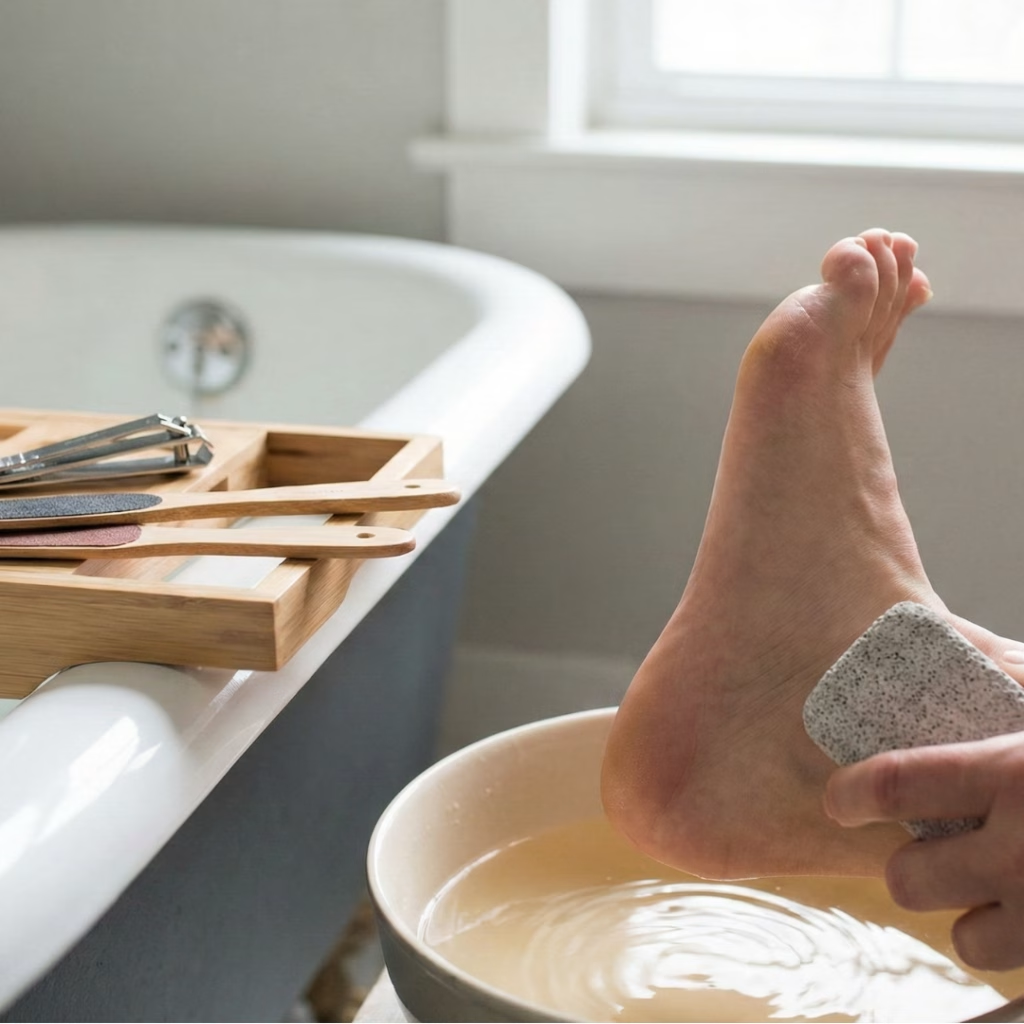
    1. Soak & Soften: Start with a 10–15 minute soak in warm (never hot) water. Adding Epsom salts can help soothe tired muscles, while a few drops of essential oil like lavender or tea tree provides an antimicrobial boost.
    2. Gently Exfoliate: While the skin is soft, use a pumice stone or foot file on the heels and balls of the feet. Use light pressure and move in one direction to smooth out dry patches.
    3. Dry Thoroughly: This is the most critical step. Dry your feet completely, especially between the toes, where moisture can lead to fungal infections like athlete’s foot.
    4. Trim & File: Use high-quality clippers to trim nails straight across. Avoid rounding the corners, as this is the leading cause of painful ingrown toenails. Use an emery board to gently smooth any sharp edges.
    5. Moisturize: Apply a thick foot cream or urea-based lotion to the heels and soles.Pro Tip: Never apply lotion between your toes! This area needs to stay dry to prevent bacterial growth.

    Your Tool Kit: What to Use vs. What to Avoid

    Using the wrong equipment can turn a relaxing routine into a medical emergency.

    Tools to UseTools to Avoid
    Surgical Steel Clippers: Easy to sanitize and stay sharp.“Cheese Graters” / Metal Rasps: These often take off too much skin, causing it to grow back thicker and harder.
    Pumice Stone or Emery File: Best for gentle, controlled exfoliation.Razors or Credo Blades: Never attempt to “cut” off a callus at home. One slip can cause deep injury.
    Glass or Cardboard Nail Files: Ideal for smoothing edges without tearing the nail.Rusty or Dull Tools: These harbor bacteria and can crush the nail rather than cutting it.
    Orange Sticks: Use these to gently push back cuticles—never cut them.Chemical Peel Socks: Use with caution; these can cause severe reactions or burns on sensitive skin.

    When to See a Foot Care Nurse

    While DIY care is great for maintenance, certain conditions require a professional touch. If you experience persistent foot pain, notice thick, discolored “fungal” nails, or have a thickened toenail that is difficult to cut, it is time to seek help. For individuals with diabetes, poor circulation, or limited mobility, at-home “bathroom surgery” is dangerous. A certified foot care nurse has the specialized tools and clinical training to safely manage corns, calluses, and complex nail issues, ensuring you stay mobile and infection-free.

  • 👣 Podiatrist vs. Foot Care Nurse: Who Does My Tootsies Need?

    If you’re seeking professional foot care, you might find yourself doing a double-take at the titles: Foot Care Nurse and Podiatrist. It’s easy to be confused. After all, both are experts who deal with feet, but their training, scope of practice, and when you should see them are actually quite different.

    Think of it this way: everyone needs a good dentist for routine cleaning and maintenance, but only an orthodontist can straighten a complex bite. Your feet are just as nuanced!

    Here’s the straight talk on who does what, and when you should book your appointment with each.

    👩‍⚕️ The Foot Care Nurse: Your Routine Foot Health Expert

    At Vancouver Foot Care, our Licensed Foot Care Nurses are Registered Nurses (RNs) or Licensed Practical Nurses (LPNs) who have taken specialized, advanced training in foot care. Because they’re licensed nursing professionals, they bring a wealth of medical knowledge to your foot health.

    What We Do Best (The “Medical Pedicure”):

    • Routine Nail Care: Expert trimming, thinning, and filing of routine and difficult nails (including fungal and thickened nails).
    • Skin Care & Smoothing: Safe and precise reduction of common skin problems like calluses and corns.
    • Assessment & Prevention: We thoroughly assess your feet for circulation, sensation, and any early signs of complications, especially crucial for clients with diabetes or other conditions that affect circulation.
    • Preventative TLC: Our services are all about maintenance, prevention, and keeping your feet comfortable and safe from everyday issues in a sterile, professional environment.

    When a Foot Care Nurse is Exactly What You Need:

    • You need routine maintenance: You simply want your nails and rough skin safely cared for, especially if you have difficulty reaching your feet.
    • You are a high-risk client: If you have diabetes, poor circulation, or an autoimmune disease, our nurses provide the meticulous, infection-controlled care your feet require to prevent serious issues.
    • You have common, non-complex issues: Ingrown toenails, calluses, or corns that require professional attention but aren’t yet severe or infected.

    The Golden Rule: If it’s about comfort, prevention, and safe, routine care of the nails and skin, a Licensed Foot Care Nurse has you covered.


    👨‍⚕️ The Podiatrist: The Foot and Ankle Medical Doctor

    A Podiatrist in British Columbia is a medical doctor who has completed an undergraduate degree followed by four years of Podiatric Medical School to earn a Doctor of Podiatric Medicine (DPM). They are experts in the diagnosis and treatment of conditions of the foot and ankle, often including surgical training.

    What They Do Best (Diagnosis & Treatment):

    • Advanced Diagnosis: They can diagnose the root cause of complex or chronic foot pain (e.g., heel pain, plantar fasciitis, bunions).
    • Prescribing: They can prescribe certain medications (like antibiotics for severe infections).
    • Advanced Procedures: They are trained to perform surgical procedures on the bones and soft tissues of the foot and ankle.

    When You Need to See a Podiatrist:

    • You have persistent pain: You are experiencing chronic pain in your foot, ankle, or heel that is impacting your mobility.
    • You suspect a serious injury or condition: You think you have a stress fracture, severe sprain, persistent tendonitis, or complex arthritis.
    • You need prescription or surgical intervention: You require medication, a formal diagnosis of a musculoskeletal issue, or a surgical fix for something like a bunion, complex hammertoe, or a severely infected ingrown toenail.

    The Bottom Line: We’re a Team!

    No need to pick a side! Both roles are essential, and we often work together.

    SituationWho to See FirstWhy?
    Thickened/Fungal NailsFoot Care NurseRoutine care, trimming, and reduction is our specialty.
    Severe, Chronic Heel PainPodiatristRequires medical diagnosis and treatment for structures like ligaments and tendons.
    Corns & CallusesFoot Care NurseSafe, precise removal and maintenance is standard care.
    A red, hot, swollen infectionPodiatrist/PhysicianRequires medical diagnosis and possible prescription medication or advanced procedure.
    Diabetic Foot CareFoot Care NurseRoutine assessment and safe, preventative care is essential.

    The witty takeaway: If your feet just need a spa day with a highly trained professional who can wield a rotary tool with the precision of a surgeon, book with your Foot Care Nurse at Vancouver Foot Care. If you think you might need an X-ray, a prescription, or a new foot altogether, it’s time to call in the Podiatrist!

    Our goal is always to provide the highest level of safe, preventative care and to refer you to a Podiatrist if your issue goes beyond our scope. Your feet deserve the best!

  • Stepping Towards Health: The Importance of Foot & Nail Care for Older Adults

    As we age, many of us start to experience new aches, pains, and limitations. While we often focus on things like heart health, bone density, or cognitive function, one area that can be easily overlooked – but is incredibly vital – is the health of our feet and nails. For older adults, particularly those with conditions like diabetes, regular, professional foot care isn’t a luxury; it’s a critical component of overall well-being and disease prevention.

    Who Benefits from Professional Foot Care?

    You might think foot care is only for those with obvious problems, but the truth is, a wide range of individuals can benefit immensely. At Vancouver Foot Care, we frequently see clients who experience:

    • Difficulty Bending: Low back pain, stiffness, or mobility issues can make it nearly impossible to reach your feet comfortably. Trying to trim nails in an awkward position can lead to nicks, cuts, and improperly trimmed nails, which can then cause ingrown toenails or infections.
    • Arthritis in Hands: Reduced dexterity and strength in the hands due to arthritis can make using small clippers or files a painful and challenging task. This often leads to neglected nails that become thick, long, and unmanageable.
    • Thickened or Fungal Nails: As we age, toenails can naturally thicken, harden, and become more prone to fungal infections. These conditions make self-care difficult and require specialized tools and techniques for safe and effective treatment.
    • Visual Impairment: Poor eyesight can significantly increase the risk of accidental injury when attempting to care for one’s own feet, especially for those with conditions that impair sensation.
    • Diabetics: This group, in particular, requires meticulous foot and nail care. Diabetes can lead to nerve damage (neuropathy) and poor circulation, making individuals less aware of injuries and slower to heal. Even a minor cut or blister can escalate into a serious infection, potentially leading to amputation if not managed properly.

    Why is Regular Foot & Nail Care So Important?

    1. Preventing Infections: Properly trimmed nails prevent ingrown toenails and reduce the risk of nicks and cuts that can introduce bacteria. For diabetics, even a small break in the skin can become a serious problem.
    2. Early Detection of Issues: A foot care nurse or podiatrist is trained to spot early signs of problems like skin breakdown, calluses, corns, bunions, fungal infections, and circulatory issues. Catching these early can prevent them from becoming more severe.
    3. Maintaining Mobility & Comfort: Overgrown, thick, or painful nails can make walking uncomfortable and even affect balance, increasing the risk of falls. Regular care ensures your feet are comfortable, allowing you to stay active and independent.
    4. Promoting Overall Health: Healthy feet contribute to a healthier you. When your feet are well-cared for, you’re more likely to stay mobile, which supports cardiovascular health, mood, and cognitive function.
    5. Specialized Care for Diabetics: Regular diabetic foot care focuses on comprehensive assessments for neuropathy, circulation, skin integrity, and proper footwear. It’s a proactive measure to safeguard against the severe complications associated with diabetic foot disease.

    Don’t Wait – Take a Step Towards Better Foot Health!

    Whether you’re struggling with mobility, dexterity, or have specific health concerns like diabetes, professional foot and nail care is an investment in your health and independence. Our experienced team at Vancouver Foot Care is here to provide compassionate, expert care tailored to your individual needs. We understand the unique challenges older adults face and are dedicated to helping you maintain healthy, happy feet.

    Don’t let foot pain or nail problems slow you down. Contact us today to schedule your appointment and take the first step towards healthier feet!

  • Fungal Nail Treatment: A Professional Approach

    As a foot care nurse, I often see patients struggling with the stubborn and often embarrassing issue of fungal toenails, also known as onychomycosis. While it may seem like a minor cosmetic problem, if left untreated, a fungal infection can cause the nail to thicken, crumble, and even separate from the nail bed. Fortunately, professional foot care offers a highly effective solution.

    Our approach to treating fungal toenails is both meticulous and patient-focused. We begin by using specialized professional pedicure machines from Germany. These advanced tools allow us to carefully and painlessly thin the infected nail. By doing this, we achieve several key goals:

    1. Reducing Thickness: Thinned nails are easier to manage and less painful.
    2. Removing Spores: We can precisely and effectively remove fungal spores that have been trapped within the nail layers.
    3. Enhancing Treatment Efficacy: A thinner nail allows topical treatments to penetrate deeper and work more effectively.

    This process is not a one-time fix. Fungal infections require consistent care, as the nail must grow out completely to be replaced by a healthy one. We schedule follow-up appointments to repeat the thinning and spore removal process until the nail has grown back healthy.

    For an even more comprehensive approach, we often recommend combining our mechanical treatment with other therapies, such as laser therapy. The laser targets the fungus directly, providing an additional layer of defense against the infection.

    To ensure the best possible results, we also advise patients to use topical treatments at home in between their professional sessions. These treatments help to continuously fight the infection and prevent it from spreading.


    Beyond the Treatment: Your Next Steps

    Before starting any treatment, it’s crucial to have a professional confirm the issue is truly a fungal infection, as other conditions can mimic the symptoms. A proper diagnosis ensures you get the right treatment from the start.

    In addition to professional care, there are simple steps you can take to prevent future infections:

    • Keep your feet clean and dry. Fungus thrives in moist environments.
    • Wear breathable shoes and socks made from materials like cotton or wool.
    • Avoid walking barefoot in public areas like locker rooms, pools, or gyms.

    Ready to start your journey to healthier feet? Schedule a consultation with a foot care nurse today to discuss your specific situation and get a personalized treatment plan.

  • Discover the Revolutionary Solution for Problematic Toenails

    Are you tired of dealing with painful or unsightly toenails? Do ingrown nails, involuted nails, or pincer nails keep you from enjoying your favorite activities or feeling confident about your feet? If so, Onyfix might be the revolutionary solution you’ve been searching for.

    What is Onyfix?

    Onyfix is an innovative and non-surgical nail correction system designed to treat a variety of nail deformities. This clever device uses a composite material that is applied to your nail and gently guides it back to its natural, healthy shape as it grows. It’s a comfortable and effective way to address the root cause of many common toenail problems.

    Who is Onyfix For?

    Onyfix is suitable for a wide range of individuals experiencing nail issues, including:

    Those suffering from ingrown toenails: Onyfix can help lift the edges of the nail, relieving pain and preventing the nail from digging into the surrounding skin.

    Individuals with involuted nails: These are nails that are excessively curved or rolled inward along the sides. Onyfix can help flatten and reshape them.

    People with pincer nails (also known as trumpet nails or omega nails): These nails are excessively curved from side to side, often pinching the nail bed and causing discomfort. Onyfix can gradually widen the nail.

    Those seeking a non-surgical alternative: Onyfix offers a pain-free and non-invasive approach to nail correction, avoiding the need for more aggressive treatments.

    Individuals of all ages: From teenagers to seniors, Onyfix can be a safe and effective solution for various nail concerns.

    What Type of Toenail Issues Can Onyfix Help?

    As mentioned above, Onyfix is primarily used to correct:

    Ingrown Toenails (Unguis Incarnatus): By lifting the nail folds, Onyfix alleviates pressure and allows the inflamed tissue to heal. It also helps guide the nail to grow straight, preventing future ingrown nails.

    Involuted Toenails (Unguis Convergens): The gentle lifting action of Onyfix helps to gradually flatten the curved nail plate, reducing pressure and discomfort.

    Pincer Nails (Trumpet Nails/Omega Nails): Onyfix works to counteract the excessive curvature of the nail, widening it over time and relieving the pinching sensation.

    Benefits of Choosing Onyfix:

    Non-surgical and Pain-Free: The application is gentle and doesn’t involve any incisions or injections.

    Effective Long-Term Correction: Onyfix addresses the underlying issue, promoting healthy nail growth and preventing recurrence.

    Comfortable to Wear: Once applied, Onyfix is discreet and doesn’t usually interfere with daily activities or footwear.

    Can be Combined with Other Treatments: Your foot care professional can advise if Onyfix can be used alongside other therapies.

    Take the First Step Towards Healthier, Happier Feet!

    Don’t let painful or misshapen toenails hold you back any longer. Discover the difference Onyfix can make!

    Ready to experience the benefits of Onyfix? Contact Vancouver Foot Care today to schedule an appointment with one of our certified foot care nurses. We will assess your individual needs and determine if Onyfix is the right solution for you.