
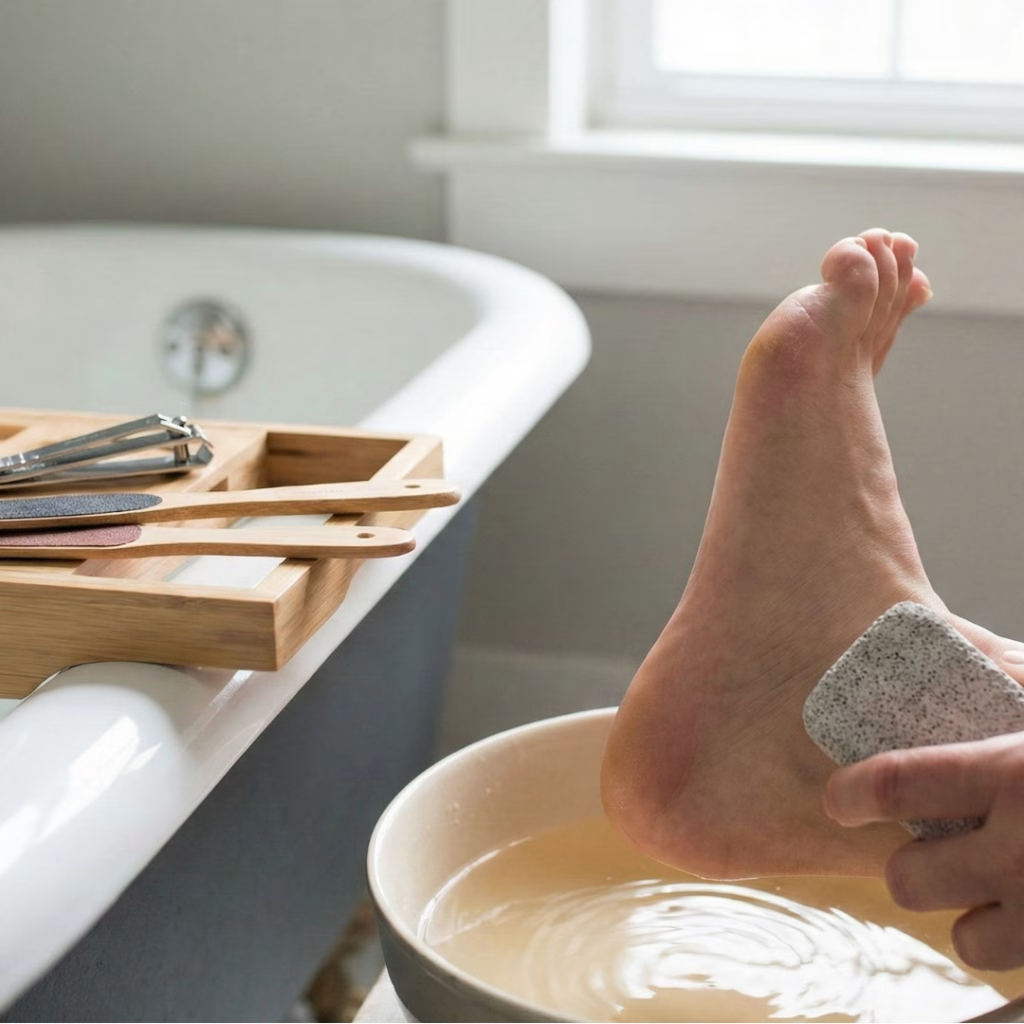
We often spend all day on our feet, yet they are frequently the most neglected part of our self-care routine. Proper at-home foot care isn’t just about aesthetics; it’s about preventing pain, infection, and mobility issues. By following a consistent protocol and using the right tools, you can keep your feet healthy and comfortable.
The At-Home Foot Care Protocol
A solid routine should be done weekly to maintain skin health and nail integrity.
- Soak & Soften: Start with a 10–15 minute soak in warm (never hot) water. Adding Epsom salts can help soothe tired muscles, while a few drops of essential oil like lavender or tea tree provides an antimicrobial boost.
- Gently Exfoliate: While the skin is soft, use a pumice stone or foot file on the heels and balls of the feet. Use light pressure and move in one direction to smooth out dry patches.
- Dry Thoroughly: This is the most critical step. Dry your feet completely, especially between the toes, where moisture can lead to fungal infections like athlete’s foot.
- Trim & File: Use high-quality clippers to trim nails straight across. Avoid rounding the corners, as this is the leading cause of painful ingrown toenails. Use an emery board to gently smooth any sharp edges.
- Moisturize: Apply a thick foot cream or urea-based lotion to the heels and soles.Pro Tip: Never apply lotion between your toes! This area needs to stay dry to prevent bacterial growth.
Your Tool Kit: What to Use vs. What to Avoid
Using the wrong equipment can turn a relaxing routine into a medical emergency.
| Tools to Use | Tools to Avoid |
| Surgical Steel Clippers: Easy to sanitize and stay sharp. | “Cheese Graters” / Metal Rasps: These often take off too much skin, causing it to grow back thicker and harder. |
| Pumice Stone or Emery File: Best for gentle, controlled exfoliation. | Razors or Credo Blades: Never attempt to “cut” off a callus at home. One slip can cause deep injury. |
| Glass or Cardboard Nail Files: Ideal for smoothing edges without tearing the nail. | Rusty or Dull Tools: These harbor bacteria and can crush the nail rather than cutting it. |
| Orange Sticks: Use these to gently push back cuticles—never cut them. | Chemical Peel Socks: Use with caution; these can cause severe reactions or burns on sensitive skin. |
When to See a Foot Care Nurse
While DIY care is great for maintenance, certain conditions require a professional touch. If you experience persistent foot pain, notice thick, discolored “fungal” nails, or have a thickened toenail that is difficult to cut, it is time to seek help. For individuals with diabetes, poor circulation, or limited mobility, at-home “bathroom surgery” is dangerous. A certified foot care nurse has the specialized tools and clinical training to safely manage corns, calluses, and complex nail issues, ensuring you stay mobile and infection-free.